
How to Help Your Child Improve Functional Communication Skills
Functional communication is the ability to express needs, thoughts, and ideas effectively in everyday situations. For children who struggle with both written and oral communication, these skills can be particularly challenging to develop. Whether due to developmental delays, language disorders, or other difficulties, these challenges can impact a child’s ability to connect with others, perform well in school, and navigate social interactions. In this blog, we’ll explore practical strategies that can help your child improve their communication skills, allowing them to express themselves more effectively.
Understanding Functional Communication Skills
Functional communication refers to the practical use of language to convey meaning. This can include asking for help, responding to questions, or expressing emotions. When a child has difficulty with both written and oral communication, it can affect how they participate in everyday activities, such as class discussions, social interactions, or even basic requests at home.
These struggles may manifest as unclear speech, difficulty organising thoughts, or trouble with sentence structure in writing. Fortunately, with the right strategies, parents can support their child’s development of these essential skills.
Encourage Multimodal Communication
Children who have difficulty with spoken or written language can benefit from using multiple modes of communication. This means supporting your child in expressing themselves through gestures, pictures, sign language, or even technology.
Examples of multimodal communication strategies include:
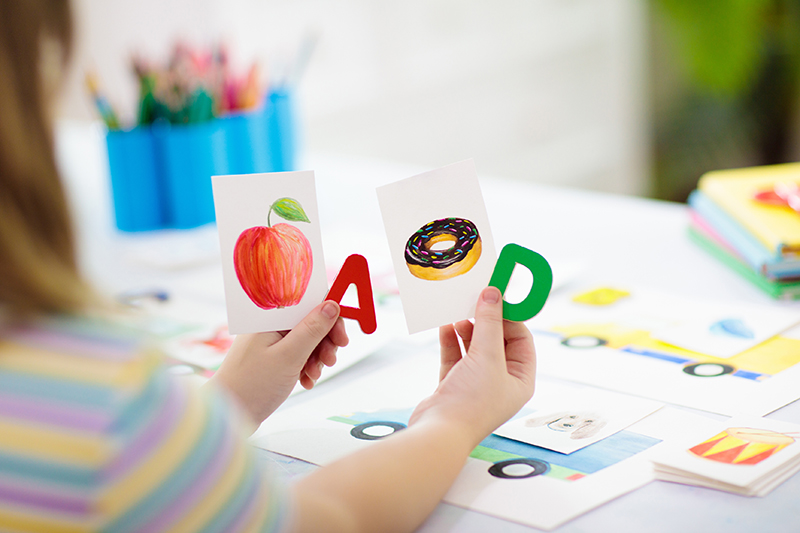
- Visual supports: Use picture cards, charts, or diagrams to help your child communicate their needs when words are difficult.
- Augmentative and Alternative Communication (AAC) devices: For children with significant speech challenges, AAC devices, such as speech-generating tools, can help them express their thoughts more clearly.
By offering more than one way to communicate, you reduce frustration and give your child the confidence to express themselves in various situations.
Build Vocabulary Gradually
A strong vocabulary is the foundation of effective communication, but it can take time to build, especially for children with language difficulties. Focus on expanding your child’s vocabulary gradually, introducing new words in a way that’s engaging and accessible.
Ways to build vocabulary:
- Use everyday experiences: Introduce new words during routine activities like cooking, shopping, or playing. For example, when cooking together, you can teach words like “stir,” “measure,” or “pour.”
- Label objects around the house: Label common objects in your home, such as “table,” “chair,” and “door,” to help your child associate words with items they interact with daily.
Break Down Tasks Into Smaller Steps
Complex communication tasks, like writing an essay or giving a presentation, can be overwhelming for children who struggle with communication. Breaking these tasks into smaller, more manageable steps can make them feel more achievable.
For example:
- Oral communication: If your child needs to give a presentation, practice each part separately, such as introducing themselves, explaining key points, and concluding the presentation.
- Written communication: For writing tasks, help your child brainstorm ideas, organise thoughts into an outline, and then focus on writing one section at a time.
This step-by-step approach allows your child to focus on specific aspects of communication without feeling overwhelmed.
Practice Active Listening and Speaking at Home
One of the best ways to support your child’s functional communication skills is to create a supportive environment for conversation at home. Practicing active listening and engaging in meaningful discussions can boost both their confidence and abilities.
Strategies for encouraging communication at home:
- Ask open-ended questions: Instead of asking questions that require a simple “yes” or “no” response, ask questions that encourage your child to explain their thoughts. For example, “What did you enjoy most about your day?”
- Model active listening: Show your child how to listen attentively by making eye contact, nodding, and providing verbal affirmations like “I see” or “Tell me more.”
This consistent practice helps your child improve their ability to listen, respond thoughtfully, and engage in two-way communication.
Use Positive Reinforcement
Children who struggle with communication often feel discouraged, particularly when they experience difficulties expressing themselves. Positive reinforcement can go a long way in encouraging effort and building confidence.
How to use positive reinforcement:
- Celebrate small victories: Acknowledge and praise even minor progress, such as successfully completing a sentence or using a new word.
- Provide encouragement: Instead of focusing on mistakes, encourage your child to keep trying and remind them that communication skills take time to develop.
This positive approach fosters a growth mindset and helps your child see communication as a skill they can improve over time.
Conclusion
Improving functional communication skills can be a gradual process, but with patience and the right strategies, children who struggle with both written and oral communication can make meaningful progress. By encouraging multimodal communication, building vocabulary, breaking tasks into steps, and practicing communication at home, you can support your child’s ability to express themselves confidently and effectively in any situation.
With consistent support, your child can learn to navigate the challenges of communication, opening doors to better academic, social, and emotional outcomes.